Update · November 4, 2026
Who answers the phone at the Township at 9 p.m.?
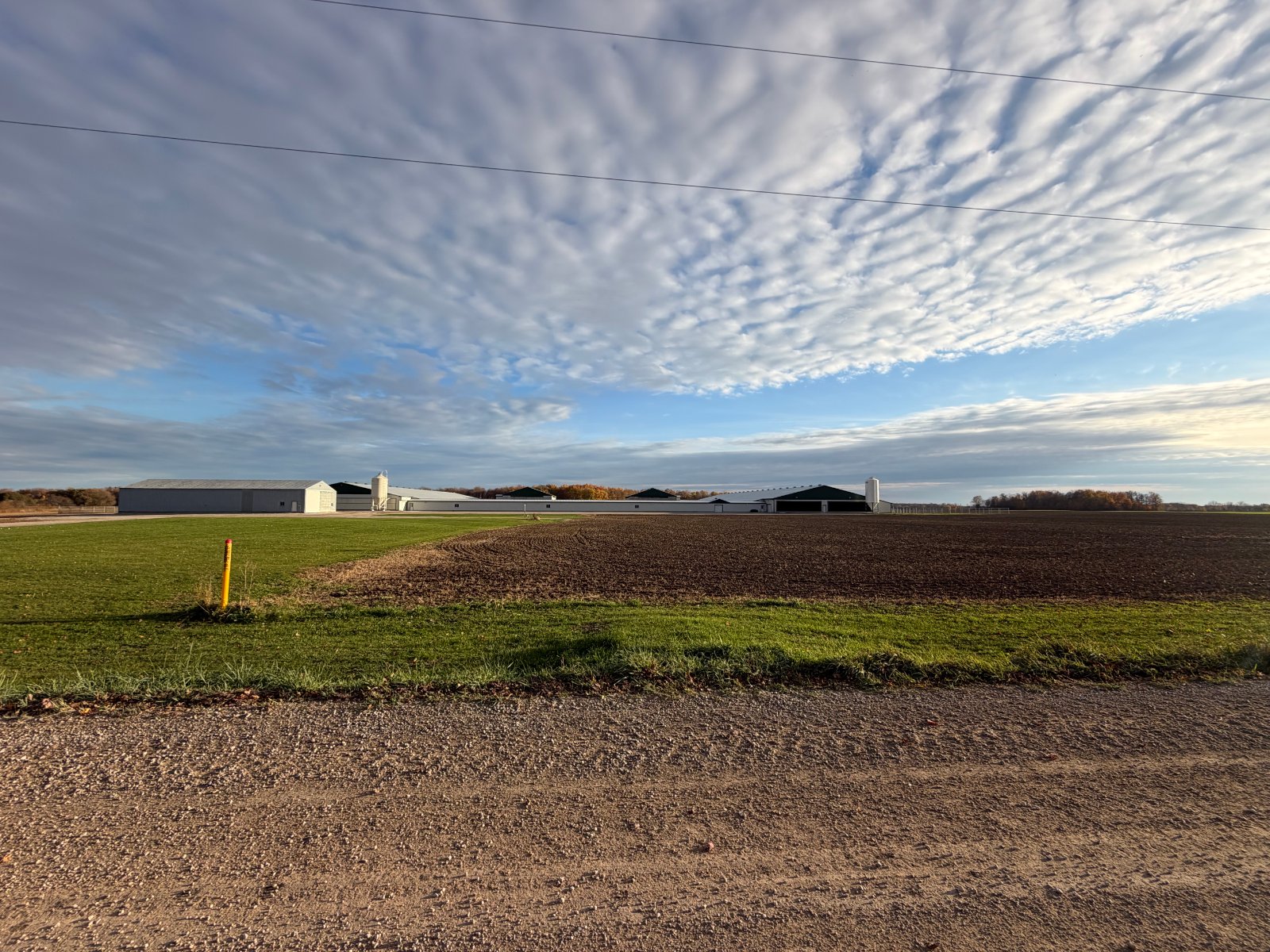
Call the municipal office in Coldstream after 4:30 on a weekday, or any time on a weekend, and you get voicemail. Call about a water main and there is a separate emergency line, which is right. But for everything else, from "what day is my garbage" to "do I need a permit for a shed," the office is open about 40 hours out of the 168 in a week. For the other 128 you leave a message or fill in a web form and wait. Here is what I would change, and what I would not.
Other municipalities are already answering that call with software. Midland, Texas, a city of about 138,000, put a voice assistant called Jacky on a phone line that picks up around the clock and hands callers to staff when the office opens. Huntingdonshire, a rural district in England, runs a phone bot that answers only from the council's own published FAQs. Closer to home, King Township, north of Toronto, has a web assistant called Kingsley that answered more than a thousand questions in its first six months and tells you whether each answer came from the Township or from York Region. Kawartha Lakes and Kitchener have AI built into their website search, and Toronto plans to put one on 311 by the end of this year. I have called and used several of these myself.
I want to be honest about the evidence. Most of the success numbers come from the companies selling the software. Midland's "7,000 fewer missed calls a month" is the vendor's projection, not a measured result, and I would not repeat it as fact. The best-documented case is a failure: New York City's chatbot told business owners they could refuse cash and keep workers' tips, both illegal, and the new mayor shut it down this year after a build that reportedly cost nearly $600,000 US. And a B.C. tribunal ruled in 2024 that Air Canada was responsible for what its chatbot told a grieving customer. For a municipality that is the whole lesson in one line: whatever the assistant says, the Township said it.
So here is the plan I would bring to council, in order, with the boring parts first.
Start with the rules, not the gadget. Council adopts an AI use policy built on the six principles Ontario's privacy and human rights commissioners published this January: accurate, safe, privacy-protective, rights-respecting, transparent and accountable. Staff complete a privacy assessment, and one named person has the authority to switch the thing off. The province's Bill 194 will eventually require much of this of municipalities anyway, so we build to it now.
Then a web assistant that only knows what the Township has published. It answers from middlesexcentre.ca, the by-laws and the County's pages, cites the page it used, says which government the answer came from, and says "I don't know, here is how to reach a person" the rest of the time. It never guesses. It never handles an emergency; it points those calls to 911 and the water line.
Then, and only then, the phone. The same assistant takes the after-hours line in place of voicemail. Business hours stay human. Every call opens by saying it is an automated assistant. It can log a service request or book a callback, and it keeps no more than it needs.
And we publish the report card. Every quarter, staff score it on a couple of hundred real resident questions and post the results, along with how many calls it took, how many it handed off and how many complaints came in. If it is not accurate, it does not get to answer the phone.
A few things this is not. It is not a replacement for staff; it is a way to answer the phone when there are no staff to answer it, and it frees the people at the counter for the problems that need a person. It is not a way to collect your information; the data stays in Canada or under a contract that says exactly where it goes. And it is not a reason to take away the phone number. About one in five of our neighbours is over 65, and plenty of people on the concessions would rather call than click. A good assistant makes the phone work better for them, not worse.
I have spent thirty years building software, so I know the difference between a demo and a system you can trust. This is a small pilot, roughly the cost of a part-time clerk's coffee budget to run, with the hard part being discipline, not technology. There is more under my modern, efficient government priority. If you want to try one of these assistants yourself, call Midland's line at +1 432-224-0515 some evening and ask it about a building permit, then ask it something it should not answer. That is the test I would put ours through, in public.
— Sean